

In today’s digital-first world, small businesses must compete online to survive and grow. Simply having a website is no longer enough. If your business does not appear on Google search results, especially on the first page, potential customers may never find you. This is where SEO for small businesses plays a critical role.
Search Engine Optimization (SEO) helps small businesses improve online visibility, attract targeted traffic, and generate long-term growth without spending heavily on paid advertisements. This guide explains SEO in simple language and shows how small businesses can use it effectively to achieve sustainable success.
What is SEO?
SEO (Search Engine Optimization) is the process of optimizing your website so that it ranks higher on search engine results pages. When users search for products or services related to your business, SEO helps your website appear in front of them organically.
SEO focuses on multiple aspects, including content quality, keyword relevance, technical structure, and user experience. The ultimate goal of SEO is to increase organic traffic, which means visitors who find your website naturally through search engines instead of paid ads.
Why SEO is Important for Small Businesses

SEO is one of the most cost-effective marketing strategies available. Research shows that more than 75% of users never go beyond the first page of Google. If your website is not visible on that first page, you are losing potential customers to competitors.
Benefits of SEO for small businesses include:
- Increased website traffic
- Improved brand trust and credibility
- Higher conversion rates
- Long-term and sustainable growth
- Ability to compete with larger companies on a limited budget
Unlike paid ads, SEO continues to deliver results over time, making it a smart investment for small businesses.
How Search Engines Work
Search engines use automated programs known as crawlers or bots to scan websites across the internet. These crawlers analyze website content, keywords, links, and technical elements to determine where each page should rank.
Search engines evaluate websites based on factors such as:
- Content relevance and quality
- Keyword intent
- Page loading speed
- Mobile responsiveness
- User engagement and experience
Optimizing these factors increases your chances of ranking higher in search results.
Keyword Research: The Foundation of SEO

Keyword research is the backbone of every successful SEO strategy. Keywords are the words and phrases that users type into search engines when looking for information, products, or services.
Best practices for keyword research:
- Use tools like Google Keyword Planner, Ubersuggest, or Ahrefs
- Look for keywords with good search volume and low competition
- Focus on long-tail keywords such as SEO services for small businesses
- Understand user intent before selecting keywords
Choosing the right keywords ensures that your website attracts visitors who are genuinely interested in your offerings.
On-Page SEO Best Practices
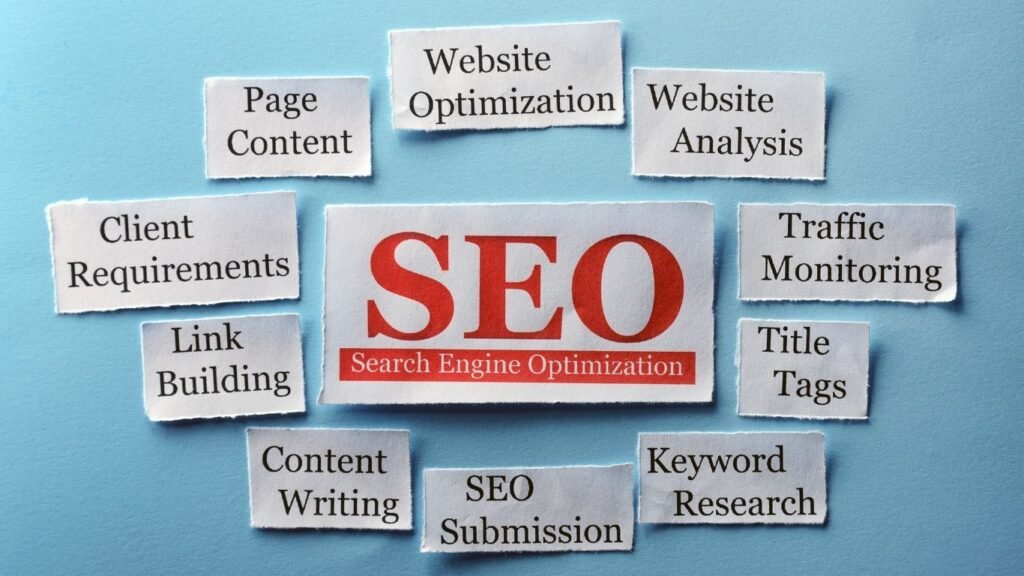
On-page SEO refers to optimizing individual pages of your website to improve rankings and user experience.
Important on-page SEO elements include:
- Title tags with primary keywords
- Compelling meta descriptions
- Proper heading structure (H1, H2, H3)
- SEO-friendly URLs
- Internal linking to relevant pages
Internal linking helps search engines understand your website structure and keeps users engaged. You can link blog posts to relevant service pages on samlocals.com to strengthen your overall SEO.
The Role of Content in SEO
High-quality content is one of the most important ranking factors in SEO. Content that provides value, answers questions, and solves problems builds trust with both users and search engines.
Tips for creating SEO-friendly content:
- Write original and informative content
- Use keywords naturally without overstuffing
- Keep content well-structured and easy to read
- Update old content regularly
- Answer common customer questions
Studies show that websites that publish blogs regularly receive 55% more traffic than those that don’t.
Local SEO: A Must for Small Businesses
Local SEO is especially important for small businesses that serve customers in a specific area. It helps your business appear in local search results such as “SEO agency near me” or “digital marketing services nearby”.
Ways to improve local SEO:
- Optimize your Google Business Profile
- Ensure consistent Name, Address, and Phone Number (NAP)
- Encourage customer reviews
- Use location-based keywords in your content
Local SEO helps attract high-intent customers who are more likely to convert.
Technical SEO Basics
Technical SEO focuses on improving the backend of your website so search engines can crawl and index it easily.
Key technical SEO elements:
- Fast website loading speed
- Mobile-friendly design
- Secure website with HTTPS
- Clean website structure
- XML sitemap and proper indexing
A technically optimized website improves rankings and enhances user experience.
Backlinks and Authority Building

Backlinks are links from other websites pointing to your site. Search engines consider backlinks as a sign of trust and authority.
Ways to earn quality backlinks:
- Publish high-quality, shareable content
- Guest post on relevant websites
- Build relationships with industry blogs
- Promote content on social media
High-quality backlinks help increase domain authority and improve search rankings.
Measuring and Tracking SEO Performance
Tracking SEO performance helps you understand what is working and what needs improvement.
Tools to track SEO performance:
- Google Analytics
- Google Search Console
- Keyword tracking tools
Key metrics to monitor include:
- Organic traffic
- Keyword rankings
- Bounce rate
- Conversion rate
SEO is an ongoing process that requires regular monitoring and adjustments.
Frequently Asked Questions (FAQs)
Q1: How long does SEO take to show results?
SEO usually takes 3 to 6 months to show noticeable results, depending on competition and strategy.
Q2: Is SEO affordable for small businesses?
Yes, SEO is cost-effective and provides long-term returns compared to paid advertising.
Q3: Can I do SEO myself?
Basic SEO can be done in-house, but professional SEO services often deliver faster and better results.
Q4: Is SEO better than paid advertising?
SEO delivers long-term results, while paid ads stop working once the budget ends.
Final Thoughts
SEO for small businesses is no longer optional—it is essential for online success. By focusing on keyword research, quality content, on-page optimization, local SEO, technical improvements, and backlinks, small businesses can achieve sustainable growth.
SEO is a long-term strategy, but when done correctly, it delivers consistent traffic, higher visibility, and better conversions. For more expert SEO insights and professional digital marketing services, visit samlocals.com and take your business to the next level.