
As an SEO professional, I’ve weathered countless shifts in Google’s landscape, but nothing has felt quite like the transition we’re experiencing in 2025. Day to day, I juggle client questions like “Why did my traffic crash?” or “Why aren’t clicks converting like they used to?” These mirror a much bigger industry trend: organic traffic is tanking.
The culprit is clear – search is turning into an answer engine, powered by AI. In other words, the biggest headache right now is getting traffic when search engines themselves are serving up answers.
For example, data from a recent report shows the click-through rate on organic links is plummeting. Only 40.3% of U.S. Google searchers clicked an organic result in March 2025, down from 44.2% a year earlier. At the same time, zero-click queries – those where users get what they need without visiting any site – are rising. In March 2025, 27.2% of U.S. searches ended with no click (up from 24.4% in 2024). In plain terms: many users now see the answer right on Google (or its AI preview) and never visit a website at all.
“If your strategy still treats search as a simple ranking contest, you’ll struggle to keep up,” writes an industry expert. “Zero-click search isn’t the end of SEO. It’s a sign that the search landscape is evolving, and so must we.”
Google’s new AI Overviews and AI Mode, powered by Gemini, are transforming search from a referral system into an answer engine. Users now get instant, conversational summaries at the top of results, skipping clicks to external sites. While convenient for searchers, it’s devastating for publishers — some report Google traffic drops of over 50% in just three years, leading to layoffs and shrinking ad revenue. Even top-ranked pages are buried under AI output, eroding the traditional SEO playbook and making brand discovery harder.
For publishers, the survival path is shifting toward answer engine optimization — creating content AI must reference while building direct audience channels like newsletters, podcasts, and apps. Interactive tools, proprietary data, and deep analysis that AI can’t easily condense will matter most. Structured data, strategic attribution, and protecting training access can help preserve visibility, but the era of relying solely on organic Google traffic is ending fast.
AI search brings two big SEO problems. First is the visibility vs. traffic gap—we may rank high but get fewer clicks. Studies show Google’s AI Overviews can cut clicks by about 30%. I’ve seen clients hold steady rankings yet lose traffic because users find answers right on Google or in tools like ChatGPT.
Second, competition is tougher than ever. Answers, brand boxes, and knowledge panels sit at the top, keeping users in Google. As Search Engine Land says, “AI hasn’t killed traditional search… but it’s reshaping it.” SEO now means being seen anywhere AI gets its answers—not just in keyword rankings.
The Algorithm Whiplash
If zero-click AI search is the big monster, Google’s algorithms are the constantly shifting ground. Google rolls out major core updates multiple times a year, and these days they often have AI underpinnings. Every week there’s chatter of another update or tweak. For example, a June 2025 core update was announced mid-month, rattling SERPs for a week. Frankly, it feels like whiplash: what worked last month can be penalized today.
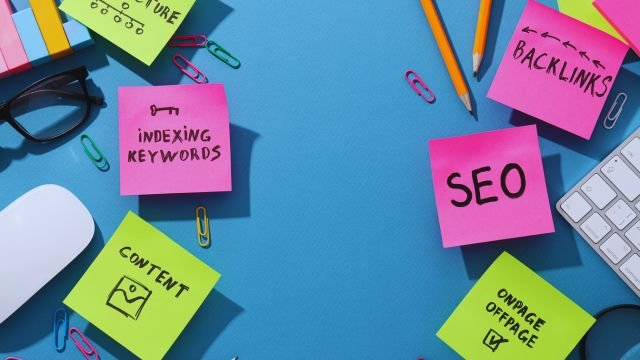
Industry analysts warn that algorithm unpredictability is a massive pain point. “AI-driven search engines frequently update their ranking systems, sometimes with little transparency,” notes one SEO agency article. This means any strategy can be upended overnight.
I tell clients that no one has a crystal ball – even Google’s own Search Central says most sites “don’t need to worry” about core updates, but if your traffic did drop, it’s a signal to improve content. In practice, our team at Sam Locals is constantly tweaking. We monitor rankings closely and use tools like Search Console to diagnose sudden falls. When Google shifts, so must we.
The evolving core web vitals and page experience metrics add another technical headache. Google replaced First Input Delay (FID) with Interaction to Next Paint (INP) as a Core Web Vital in 2024. We’re being told to optimize sites for these nuanced performance scores, even as the real goalposts (ranking factors) shift under our feet.
It’s a lot of pressure. Our agency page even emphasizes that clients need solutions that can “meet Google’s constantly changing algorithm”samlocals.com. Because if our sites load a fraction slower or have one bad page, an update can magnify that into a traffic drop.
In short, algorithm updates and new metrics make SEO less predictable. We no longer just set and forget optimization – we must be agile. It’s a headache, but it forces us to focus on fundamentals: delivering great user experience and content, not just chasing rankings.
The Content Conundrum
Amid these seismic changes, another challenge looms: content saturation. Every expert and their AI bot is churning out blog posts these days. Neil Patel bluntly puts it, “content is going to be the biggest challenge in 2025”. His point is sobering: for every keyword people search, there are often thousands of pages written on it.
We published one case showing 52,727 pieces of content for every one search of a term, and another with 75 million pages for a niche topic. In other words, there is simply more content than human attention.
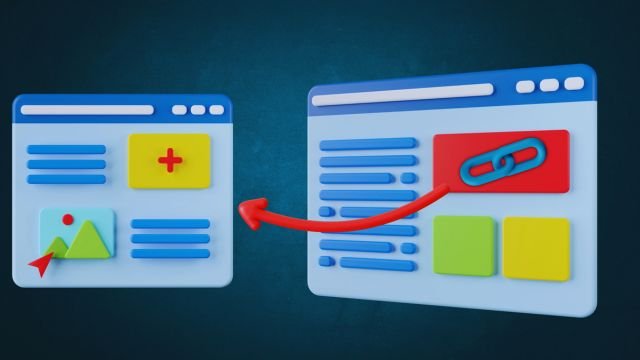
This glut means Google has the luxury to pick and choose winners. If most pages look similar, differentiation is key. I tell clients: don’t just regurgitate what’s out there. We write “amazing content” by adding unique perspective, real-life experience, and expertise that AI and other blogs can’t match.
In fact, our Sam Locals team often emphasizes quality over quantity. It’s why our SEO page notes clients coming to us with “your site’s traffic has decreased recently, and you’re not certain why”samlocals.com. The reason is often that generic content no longer attracts links or visibility.
Put another way, original, human-driven insight matters more than ever. AI can generate drafts and ideas, but for true thought leadership we need human creativity. As one expert notes, AI tools “lack human creativity and emotional intelligence,” so balancing automation with human oversight is critical.
That’s why we invest in writers and strategists who know the industry inside-out. At the end of the day, if your content is just a rehash of 100 similar articles, Google won’t favor it. SEO in 2025 rewards those who break new ground or provide genuinely useful guides — the opposite of the endless “fluff” that floods the web.
Strategy & Industry Impacts
All these issues – zero-click search, unpredictable updates, content overload – are converging to reshape SEO strategy. In practice, I see a few consequences:
- Focus on value, not just ranks. We talk to clients about measuring success beyond clicks. A zero-click result might still drive brand awareness or in-store visits. So we focus on branding, rich snippets, and presence on platforms (YouTube, social, community sites). One training article even suggests “optimizing for presence, clarity, and machine readability” in an AI era.
- Diversification of traffic. Websites can’t rely solely on Google anymore. We work to build followings on email, social, and other channels. For example, if search isn’t sending as many visitors, maybe social media or newsletter can. (This “first-party channel” approach is becoming crucial.)
- E-E-A-T and credibility. Google emphasizes expertise and trust more than ever. We tell clients to showcase author credentials, case studies, etc., to signal authority. In a world flooded with generic content, trust signals (links from known sites, citations, testimonials) can tip the scales.
- Technical vigilance. We keep sites fast, secure, and error-free as a baseline. Even if Core Web Vitals seem less flashy now, a fast, accessible site helps in any environment. (As Google Search Central advises, quick fixes won’t save you; build user-friendly sites for the long term.)
In short, 2025’s biggest SEO headache – the shift to AI/answer-driven search – demands a different mindset. It isn’t enough to rank for keywords; we must become the sources that AI tools reference. It’s frustrating when “more visibility” paradoxically means “less traffic”, but it also forces our industry to evolve.
As I say to my team and peers, this is an opportunity. The rules have changed, but by focusing on unique, user-first content and by helping our clients adapt (as we do at Sam Locals), we can still win. It just means SEO in 2025 is far more about audience value and brand authority than chasing clicks alone.
The headache is real, but so is the potential for those who learn to navigate this new era.