
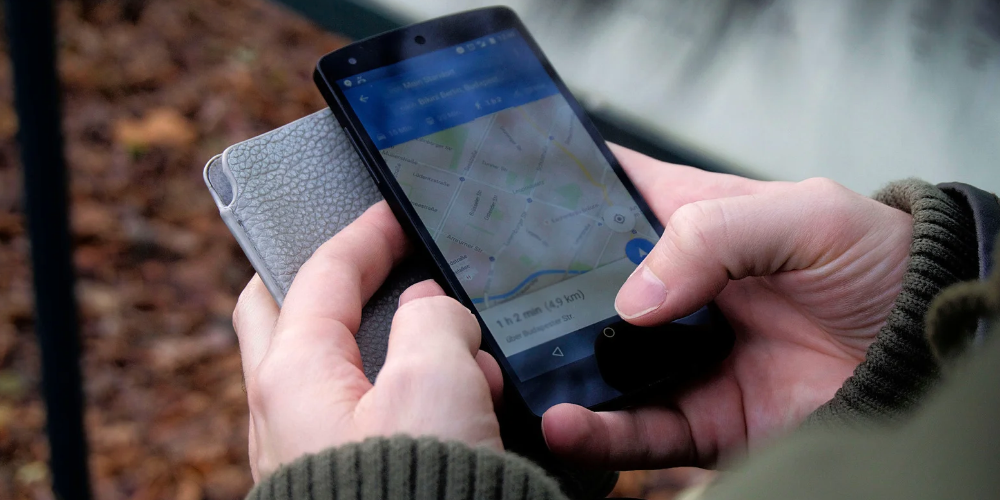
In 2026, Google Maps is an important tool for businesses that want to attract more local customers. People use Google Maps to find nearby shops, restaurants, plumbers, salons, marketing agencies, and many other services. When a business appears in relevant local searches, potential customers can discover its services, read reviews, check opening hours, and contact the business directly.
However, simply creating a Google Maps listing is not always enough. Businesses need to provide accurate information, build customer trust, and maintain a useful online presence. This process is an important part of local search engine optimization (SEO).
In this guide, we will explain practical ways to get more CUSTOMERS ON GOOGLE MAP and turn local searches into real business opportunities.
1. Create and Optimize Your Google Business Profile
One of the first steps to attracting customers through Google Maps is creating and completing your Google Business Profile. This free profile helps eligible businesses display important information in Google Search and Maps.
Make sure your business name, phone number, website, address, and opening hours are accurate. Choose the primary business category that best describes your main service. Add other relevant categories only when they genuinely apply to your business.
For example, a plumbing company should select a suitable plumbing category rather than an unrelated category simply because it seems popular.
Complete information helps potential customers understand what your business offers and helps Google match your profile with relevant searches.
2. Use Relevant Local Keywords
Keywords are the words people type into Google when searching for products or services. Local customers often include a town, city, or neighbourhood in their searches.
For example, someone might search for “plumber in London,” “best salon in Manchester,” or “local SEO agency near me.
”Understanding these searches can help you create useful website content and describe your services clearly. Include relevant phrases naturally in your website headings, service pages, and business description where appropriate.
The keyword CUSTOMERS ON GOOGLE MAP relates to the goal of attracting customers through Google Maps. However, avoid repeating the same phrase unnaturally throughout your content. Helpful, readable information is more valuable than keyword stuffing.
Never add extra keywords to your official business name unless they are genuinely part of its real-world name.
3. Add High-Quality Photos and Videos
Photos help potential customers understand what to expect before visiting or contacting a business. A restaurant can upload pictures of its food and seating area, while a repair company can show its team, equipment, and completed projects.
Use clear, genuine images that accurately represent your business. Keep them current and avoid misleading photographs or images that belong to other businesses.
Good visuals can make a listing more useful and help customers feel confident about choosing your services. They may also encourage people to explore your profile before making a decision.
4. Collect Genuine Customer Reviews
Online reviews are an important part of building trust. Before contacting a business, many people check what previous customers have said about their experiences.
Ask satisfied customers to leave honest reviews on Google. You can share your review link after completing a service or include it in a follow-up message.
Respond professionally to both positive and negative feedback. Thank customers for positive comments and address complaints politely. If someone raises a genuine problem, explain how you can help resolve it.
Do not buy fake reviews, offer rewards in exchange for positive ratings, or ask people to post dishonest feedback. Genuine reviews help potential customers make informed decisions and contribute to your business’s reputation.
5. Keep Your Business Information Consistent
Your business details should be consistent across your website, Google Business Profile, and relevant online directories.
Pay attention to your business name, address, telephone number, and website URL. If you move to another location or change your opening hours, update your information promptly.
Incorrect contact details can cause customers to call the wrong number, visit the wrong address, or assume that your business is closed.
For service-area businesses that visit customers at their homes, configure the profile according to Google’s service-area rules. Do not create fake locations to appear in additional cities.
Accurate information makes it easier for customers to contact you and understand where your services are available.
6. Improve Your Website for Local SEO
Your website supports your Google Maps presence by providing more information about your business, services, experience, and service locations.
Create dedicated service pages when they provide useful information. For example, a cleaning company serving several genuine locations could explain the services available in each area.
Include clear headings, relevant keywords, contact information, and a simple way for visitors to request a quote or book an appointment. Make sure your website works properly on mobile phones because many local searches happen on mobile devices.
Businesses looking to improve their local visibility can explore Google Maps SEO services to learn more about approaches that may support their online presence.
A useful website should answer customers’ questions rather than simply repeat keywords. Explain your services, pricing approach where appropriate, and what makes your business a suitable choice.
7. Publish Useful and Relevant Updates
Keep your online presence active by sharing genuinely useful updates when appropriate. Depending on the features available to your business, you can publish Google Business Profile posts about offers, new services, events, seasonal information, or important announcements.
For example, a local salon might announce a new treatment, while a repair business could explain its available services during the winter season.
Make sure every update contains accurate information and gives readers a clear next step, such as visiting your website or contacting your business.
Posting regularly is not a guarantee of higher rankings. Focus on providing information that helps customers decide whether your business meets their needs.
8. Understand How Google Maps Rankings Work
Google Maps rankings depend on several factors, including relevance, distance, and prominence. Businesses should keep their profiles accurate, provide helpful information, and build a positive reputation through genuine customer reviews. To learn more, read Google’s official guide to improving your local ranking.
Relevance
Relevance describes how closely your business profile matches a customer’s search. Accurate categories, detailed services, and complete business information can help Google understand your business.
Distance
Distance refers to how far your business is from the person searching or the location mentioned in the search. Businesses cannot control where every potential customer is located.
Prominence
Prominence relates to how well-known a business is. Reviews, information from across the web, and links to your website can contribute to its online presence.
There is no guaranteed method to reach the top of Google Maps overnight. Avoid anyone promising guaranteed rankings or claiming they can simply pay Google to improve your organic local position.
9. Track Your Results and Improve Your Strategy
To understand whether your efforts are working, review the performance information available in your Google Business Profile. Depending on the reporting features available, you may be able to examine searches, profile views, calls, website clicks, and other customer interactions.
Track which services attract interest and whether visitors are taking useful actions. You can also monitor website traffic and enquiries to identify areas that need improvement.
If customers view your profile but rarely contact you, check whether your phone number, service details, photos, reviews, and website are clear and helpful.
Use the information you collect to improve your profile over time rather than changing everything without a clear reason.
Conclusion
Getting more CUSTOMERS ON GOOGLE MAP in 2026 requires a consistent approach to local SEO, customer service, and online reputation management. Start by completing your Google Business Profile, choosing accurate categories, collecting genuine reviews, uploading real photos, and keeping your contact information updated.
Next, strengthen your website with useful local content and make it easy for visitors to contact your business. Monitor your results and focus on the improvements that help customers find and trust you.
Although no strategy can guarantee a specific Google Maps ranking, providing accurate information and a positive customer experience can help your business build a stronger local presence and create more opportunities to attract new customers.